

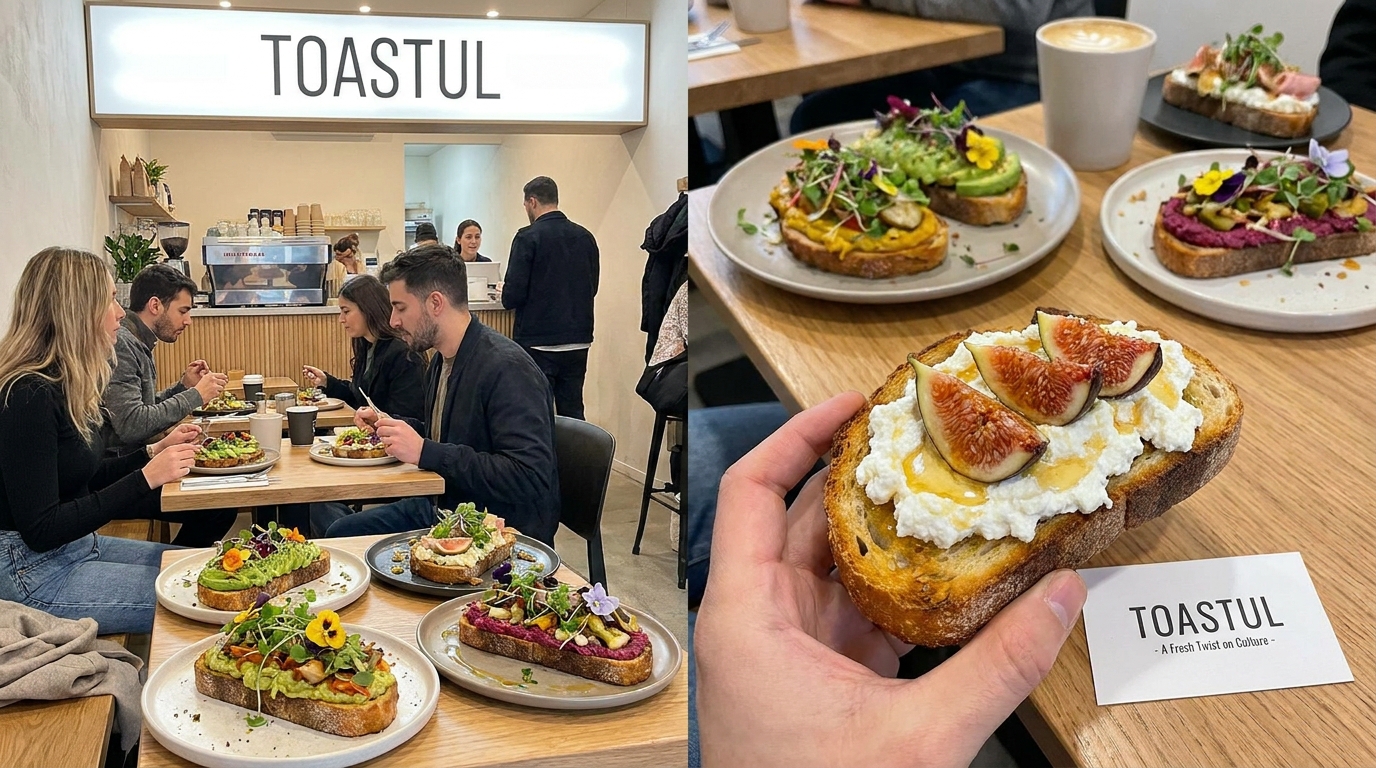
Toastul has emerged as a modern food concept connected to creativity, comfort meals, café culture, and evolving dining preferences. Across the world, simple dishes are being reinvented with gourmet ingredients, artistic presentation, and healthier preparation methods. Toastul reflects this transformation by turning traditional toast-based meals into versatile culinary experiences suitable for modern lifestyles.
In recent years, food culture has shifted significantly due to social media influence, changing eating habits, and increased interest in personalized dining. Meals that were once considered basic are now appreciated for their flexibility, nutritional potential, and visual appeal. Toastul fits naturally into this environment because it combines simplicity with innovation, making it popular among both home cooks and professional chefs.
The rise of casual dining and café-style meals has also contributed to the growing popularity of toast-centered cuisine. People increasingly seek food that is quick to prepare yet flavorful, visually attractive, and adaptable to different dietary preferences. Toastul represents this modern approach to eating by offering endless possibilities for creativity and customization.
The Historical Roots of Toast-Based Meals
Bread has been a central part of human diets for thousands of years. Ancient civilizations relied on grain cultivation and bread production as essential sources of nutrition and survival. Toasting bread originally developed as a practical way to preserve freshness and improve flavor.
Early methods of toasting involved placing bread near open flames or heated surfaces. The process created a crisp texture while enhancing aroma and taste. Over time, toasted bread evolved from a preservation technique into a culinary tradition enjoyed across many cultures.
Different regions developed unique toast-based dishes according to local ingredients and traditions. European cuisines often paired toasted bread with cheese, olive oil, or cured meats, while other cultures introduced sweet variations using fruits, honey, or spices.
Toastul reflects this rich culinary heritage while adapting it to modern food trends and contemporary dining preferences.
Why Toastul Fits Modern Lifestyles
Modern lifestyles are often fast-paced, making convenience an important factor in meal preparation. Toast-based dishes are quick to assemble, easy to customize, and suitable for multiple occasions including breakfast, lunch, brunch, and light dinners.
Toastul aligns with these lifestyle changes because it provides flexibility without sacrificing quality or flavor. People can create nutritious meals using simple ingredients while still experimenting with presentation and taste combinations.
The increasing popularity of remote work and home-based routines has also influenced eating habits. Many individuals now prefer meals that can be prepared efficiently while maintaining freshness and nutritional value.
Toastul represents this practical yet creative approach to modern dining, making it attractive to students, professionals, families, and food enthusiasts alike.
Ingredients That Define Toastul
One of the greatest strengths of Toastul is its adaptability regarding ingredients. The foundation of most toast-based meals is bread, but the variety of breads available today allows for endless culinary possibilities.
Sourdough bread is especially popular because of its rich flavor and firm texture. Whole grain, rye, brioche, multigrain, and artisan loaves are also commonly used depending on the desired taste and presentation.
Savory preparations often include ingredients such as avocado, eggs, smoked salmon, mushrooms, tomatoes, spinach, herbs, and cheeses. These combinations create balanced meals that provide both flavor and nutrition.
Sweet versions may feature fruits, nut spreads, yogurt, cinnamon, honey, chocolate, or cream-based toppings. Such options appeal to those seeking lighter or dessert-inspired dishes.
Modern food trends have further expanded ingredient possibilities through plant-based proteins, fermented foods, specialty sauces, and international spices.
Toastul continues evolving because its flexible structure encourages culinary experimentation.
Toastul and Café Culture
Café culture has become a defining part of urban social life around the world. Cafés are no longer simply places for coffee; they now function as creative spaces for social interaction, work, and modern dining experiences.
Toastul fits perfectly within this environment because toast-based meals are visually appealing, practical to prepare, and highly customizable. Cafés frequently use fresh ingredients and artistic plating techniques to transform simple dishes into premium culinary offerings.
The popularity of brunch culture has also increased demand for gourmet toast creations. Avocado toast, artisan bread combinations, and layered breakfast plates have become iconic menu items in many cafés.
Social media has amplified this trend even further. Visually attractive food photographs shared online encourage cafés to focus heavily on presentation and originality.
Toastul reflects this connection between digital culture, modern dining, and aesthetic food experiences.
Nutritional Benefits of Toastul
Health-conscious eating has become an important priority for many consumers. Toast-based meals can provide balanced nutrition when prepared with quality ingredients and thoughtful combinations.
Whole grain breads contain fiber, vitamins, and complex carbohydrates that support sustained energy. Protein-rich toppings such as eggs, beans, tofu, or lean meats help create satisfying meals suitable for active lifestyles.
Fresh vegetables and fruits add essential nutrients, antioxidants, and natural flavor. Healthy fats from ingredients like avocado, olive oil, seeds, and nuts contribute to overall nutritional balance.
Toastul also works well for specialized dietary preferences including vegetarian, vegan, gluten-free, and high-protein meal plans.
Portion control and ingredient quality remain important factors, but toast-centered meals can often provide healthier alternatives compared to heavily processed fast food options.
Creativity and Culinary Innovation
Modern food culture increasingly values creativity alongside flavor. Chefs and home cooks alike experiment with textures, international influences, and artistic presentation to create memorable dining experiences.
Toastul acts as a culinary canvas because almost any ingredient combination can be adapted into a toast-based dish. Mediterranean-inspired versions may include feta cheese, olives, and roasted vegetables, while Asian-inspired creations can incorporate sesame, tofu, spicy sauces, or pickled ingredients.
Fusion cuisine has further expanded possibilities by blending flavors and techniques from different cultures into unique culinary experiences.
Presentation plays a major role in modern toast culture as well. Layered textures, vibrant colors, and carefully arranged toppings contribute to visual appeal and dining enjoyment.
Toastul symbolizes the combination of simplicity and innovation that defines contemporary food creativity.
Digital Influence on Toastul Popularity
Social media platforms have dramatically influenced food trends in recent years. Dishes that are visually striking and easy to personalize often gain popularity quickly through digital sharing.
Toast-based meals perform especially well in digital food culture because they can be arranged artistically and photographed easily. Bright ingredients, layered textures, and minimalist presentation styles make them highly shareable online.
Food influencers, cafés, and chefs regularly post creative toast combinations, inspiring audiences to experiment with their own recipes and ingredient choices.
Online recipe communities and cooking videos have also increased accessibility, allowing people to discover international flavor combinations and preparation techniques from around the world.
Toastul reflects this digitally connected culinary environment where trends spread rapidly through visual storytelling and global interaction.
Sustainability and Responsible Eating
Sustainability has become increasingly important within the modern food industry. Consumers are paying more attention to ingredient sourcing, environmental impact, and food waste reduction.
Toast-based meals often support sustainable dining because they can incorporate local produce, seasonal ingredients, and leftover foods creatively. Many people use toast dishes as a practical way to reduce food waste while still preparing enjoyable meals.
Plant-based toast options have become especially popular due to growing environmental awareness. Ingredients such as vegetables, legumes, seeds, and plant proteins allow for nutritious and sustainable meal preparation.
Many cafés and restaurants now emphasize locally sourced ingredients and environmentally responsible practices as part of their branding and operational strategies.
Toastul aligns with these sustainability trends by promoting flexibility, simplicity, and resource-conscious cooking.
Toastul in Home Cooking
Another reason for the growing popularity of Toastul is its accessibility for home cooks. Toast-based meals require relatively simple preparation techniques and minimal equipment, making them approachable for people with varying cooking experience.
Home cooks can quickly prepare satisfying meals while experimenting with ingredients and flavors according to personal preference.
Breakfast and brunch remain the most common occasions for toast-centered dishes, but modern culinary trends have expanded their role into lunches, snacks, and even gourmet dinner options.
The rise of home cooking content online has further encouraged experimentation and creativity. Many individuals now recreate café-style meals at home using fresh ingredients and personalized presentation styles.
Toastul represents the balance between convenience and creativity that appeals strongly to modern households.
The Global Appeal of Toastul
Toast-based cuisine has achieved worldwide popularity because it adapts easily to regional traditions and ingredient availability. Nearly every culture includes some form of bread-centered culinary practice that can evolve into modern toast interpretations.
European cuisines often focus on artisan bread and savory toppings, while North American brunch culture emphasizes eggs, avocado, and fresh produce. Asian-inspired versions may include seafood, fermented vegetables, or spicy sauces.
The global exchange of culinary ideas through tourism, migration, and digital communication continues expanding the variety of toast-based creations.
Toastul remains universally appealing because it combines familiarity with endless creative possibilities.
The Future of Toastul
The future of Toastul is likely to evolve alongside broader culinary and technological developments. Consumers increasingly seek meals that combine nutrition, convenience, sustainability, and visual appeal.
Plant-based ingredients and functional foods are expected to become even more prominent in toast-centered cuisine. Superfoods, alternative proteins, and nutrient-dense toppings will likely continue influencing modern recipes.
Technology may also shape future dining experiences through smart kitchen tools, personalized nutrition recommendations, and advanced food delivery systems.
Despite these changes, the core appeal of Toastul will likely remain timeless because it is built around simplicity, adaptability, and creativity.
Conclusion
Toastul represents a modern culinary movement that transforms simple toast-based meals into creative and culturally relevant dining experiences. Rooted in centuries of bread-making tradition, it has evolved into a globally recognized trend shaped by café culture, digital media, health-conscious eating, and culinary innovation.
Its flexibility allows people to experiment with flavors, presentation styles, and nutritional choices while maintaining convenience and accessibility. Whether enjoyed in a café or prepared at home, Toastul reflects the ongoing evolution of modern food culture and the universal appeal of creative comfort meals.