

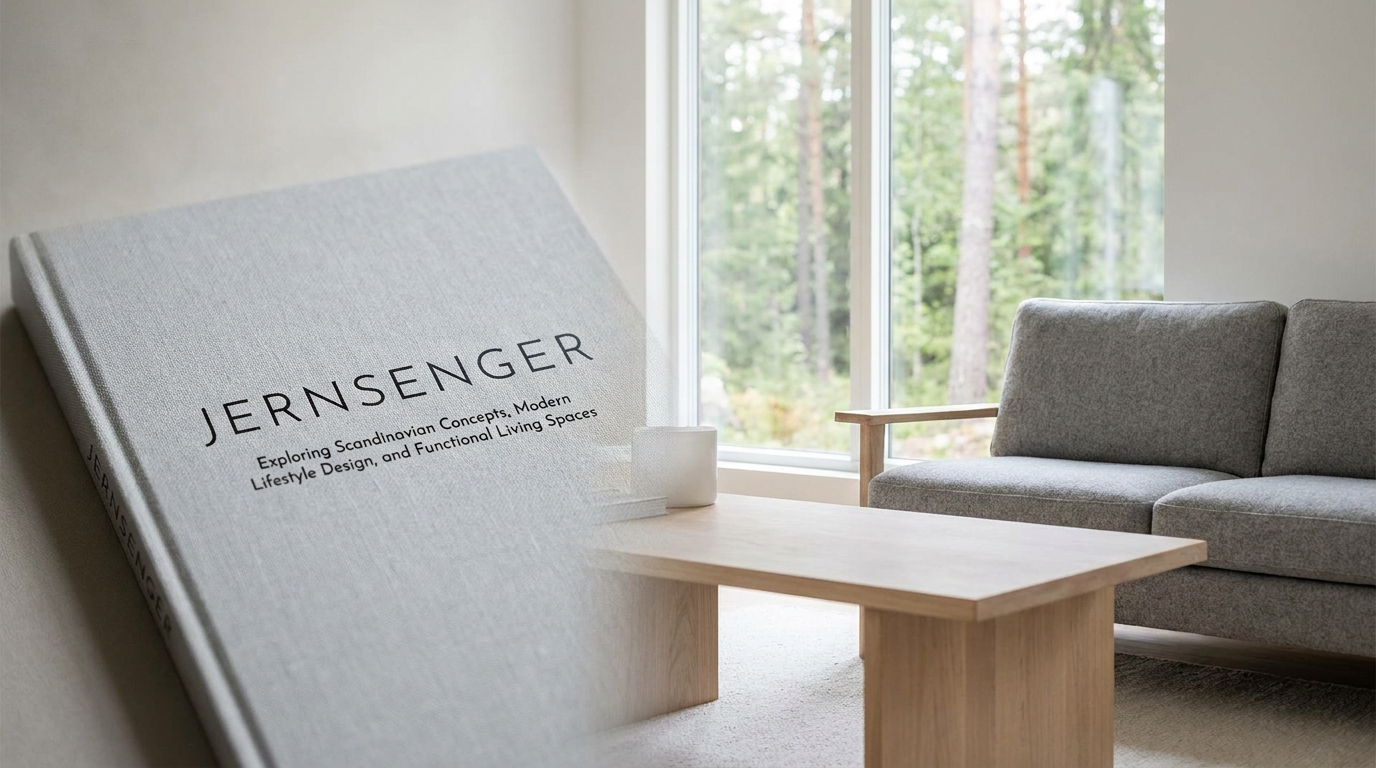
Jernsenger is a term that can be associated with modern Scandinavian-inspired design concepts, functional living solutions, and the evolving idea of practical yet aesthetic home environments. In contemporary lifestyle culture, design is no longer only about appearance. It also emphasizes usability, comfort, sustainability, and efficiency.
Jernsenger symbolizes this blend of minimalism and functionality, where living spaces are designed to be both visually appealing and highly practical. As urban living continues to evolve, people increasingly seek furniture and interior solutions that maximize space while maintaining comfort and style.
The Philosophy of Functional Design
Functional design focuses on creating objects and environments that serve a clear purpose while maintaining simplicity and elegance. This design philosophy is especially prominent in Scandinavian countries, where minimalism and practicality are core values.
Instead of unnecessary decoration, functional design emphasizes clean lines, durable materials, and efficient use of space.
Jernsenger reflects this philosophy by representing structured, purposeful, and efficient design thinking in modern interiors.
Scandinavian Influence on Modern Living
Scandinavian design has had a major global influence on architecture and interior design. It is characterized by simplicity, natural materials, neutral colors, and a strong focus on functionality.
Homes designed with this approach often feel open, bright, and calming. Furniture is typically designed to be multipurpose and long-lasting.
Jernsenger symbolizes the continuation of this design tradition in modern lifestyle trends.
The Importance of Space Optimization
In modern urban environments, living spaces are often limited in size. As a result, space optimization has become a key focus in interior design.
Furniture and storage solutions are now designed to serve multiple functions, reducing clutter and improving usability.
Jernsenger reflects the importance of efficient space utilization in contemporary home design.
Comfort and Ergonomics
Comfort is a fundamental aspect of modern furniture design. Ergonomics focuses on creating products that support the natural posture and movement of the human body.
Well-designed furniture reduces physical strain and improves overall well-being, especially for people who spend long hours working or relaxing at home.
Jernsenger symbolizes the integration of comfort and functionality in modern living solutions.
Material Selection and Sustainability
Modern design increasingly emphasizes the use of sustainable and environmentally friendly materials. Wood, metal, recycled materials, and eco-conscious manufacturing processes are becoming standard in furniture production.
Sustainability not only reduces environmental impact but also ensures durability and long-term usability.
Jernsenger reflects the growing importance of responsible material selection in contemporary design practices.
Minimalism in Interior Design
Minimalism is a design approach that focuses on simplicity and the removal of unnecessary elements. It creates clean, uncluttered spaces that promote relaxation and clarity.
Minimalist interiors often use neutral colors, natural light, and simple furniture forms.
Jernsenger represents the minimalist philosophy applied to modern furniture and home environments.
Modern Furniture Innovation
Furniture design continues to evolve with new materials, technologies, and construction methods. Designers now incorporate modular systems, foldable structures, and multifunctional elements.
These innovations make furniture more adaptable to changing lifestyle needs.
Jernsenger symbolizes innovation in furniture design focused on adaptability and practicality.
The Role of Aesthetics in Living Spaces
While functionality is important, aesthetics also play a key role in interior design. A visually pleasing environment can enhance mood, productivity, and overall quality of life.
Designers carefully balance color, texture, lighting, and form to create harmonious living spaces.
Jernsenger reflects the balance between visual appeal and practical functionality in modern interiors.
Urban Living and Modern Needs
Urbanization has significantly changed how people design and use living spaces. Apartments and compact homes require efficient layouts and smart furniture solutions.
This has led to increased demand for space-saving designs and multifunctional furniture.
Jernsenger represents solutions tailored to modern urban living challenges.
Durability and Long-Term Value
Durability is an essential factor in furniture design. High-quality materials and strong construction ensure that products last longer and provide better long-term value.
Sustainable consumption also encourages people to invest in durable rather than disposable products.
Jernsenger symbolizes long-lasting design principles that prioritize quality and resilience.
Smart Furniture and Technology Integration
Technology is increasingly being integrated into furniture and interior design. Smart furniture may include features such as built-in charging stations, adjustable settings, or digital controls.
These innovations enhance convenience and improve user experience.
Jernsenger reflects the merging of traditional design with modern technological advancements.
Psychological Impact of Living Spaces
The design of a living space can significantly influence mental well-being. Organized, clean, and well-lit environments can reduce stress and improve focus.
Minimalist and functional spaces often contribute to a sense of calm and balance.
Jernsenger represents the connection between interior design and psychological well-being.
Cultural Influence on Design Trends
Design trends are often influenced by cultural values and regional traditions. Scandinavian culture, for example, emphasizes simplicity, equality, and connection to nature.
These values are reflected in furniture design and architectural styles.
Jernsenger symbolizes the cultural foundations behind modern functional design.
The Future of Interior Design
The future of interior design is expected to focus on sustainability, adaptability, and technological integration. Modular furniture, smart homes, and eco-friendly materials will continue to grow in importance.
Design will also become more personalized, adapting to individual lifestyles and preferences.
Jernsenger reflects this forward-looking vision of modern interior innovation.
Accessibility and Inclusive Design
Modern design also emphasizes accessibility and inclusivity. Furniture and spaces are being created to accommodate people of all ages and physical abilities.
Inclusive design ensures that environments are comfortable and usable for everyone.
Jernsenger symbolizes the importance of universal design principles in modern living spaces.
Challenges in Modern Furniture Design
Despite innovation, furniture design faces challenges such as cost, material sustainability, and balancing aesthetics with functionality.
Manufacturers must also consider environmental impact and changing consumer expectations.
Jernsenger highlights the ongoing challenges and responsibilities within modern design industries.
Conclusion
Jernsenger represents the evolution of modern interior design focused on functionality, minimalism, and sustainable living. It reflects how contemporary lifestyles demand furniture and spaces that are both practical and aesthetically pleasing.
From Scandinavian-inspired simplicity to smart furniture innovation and space optimization, modern design continues to evolve in response to urban living needs.
As design trends advance, Jernsenger symbolizes the future of functional, sustainable, and human-centered living environments that enhance comfort, efficiency, and quality of life.