

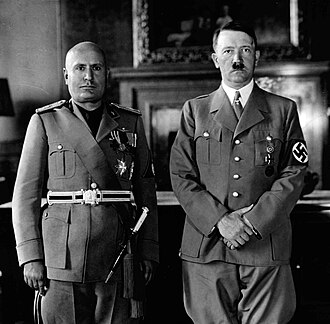
The term “Fascisterne” is closely connected to the historical and political concept of fascism, one of the most controversial and widely discussed ideologies of the twentieth century. Originating from European political movements, fascism became associated with authoritarian leadership, extreme nationalism, suppression of opposition, and centralized power. Over time, the word “Fascisterne,” which is linked to fascist movements and supporters, has continued to appear in political discussions, historical studies, documentaries, and public debates around democracy and human rights.
Even decades after the fall of the major fascist regimes, fascism remains a subject of global interest because of its lasting impact on politics, society, war, and international relations. Historians, political analysts, students, and ordinary readers continue exploring the causes behind the rise of fascism and the lessons modern societies can learn from it.
This article examines the origins of Fascisterne, the rise of fascist ideology, its historical influence, and why discussions surrounding fascism remain relevant in the modern world.
The Origins of Fascism
Fascism emerged in Europe during the early twentieth century, particularly after the social and economic turmoil caused by World War I. Many countries faced economic crises, political instability, unemployment, and public dissatisfaction. In this atmosphere of uncertainty, extremist political movements began attracting support.
The ideology became strongly associated with Benito Mussolini, who established a fascist government in Italy during the 1920s. Mussolini promoted a political system based on authoritarian rule, nationalism, militarism, and strict control over society.
The term fascism itself comes from the Italian word “fascio,” symbolizing unity and authority. Fascist movements argued that strong centralized leadership was necessary to restore national pride and stability.
As fascism spread across parts of Europe, it influenced several political movements and authoritarian governments.
The Rise of Fascist Movements in Europe
The rise of Fascisterne was closely linked to economic hardship and political fear. After World War I, many citizens felt frustrated by economic instability and weak governments. Fascist leaders promised national strength, economic recovery, and social order.
One of the most infamous figures associated with fascism was Adolf Hitler, leader of Germany under the Nazi regime. Although Nazism had unique racial and ideological elements, it shared several characteristics with fascist systems, including authoritarian control, militarism, and suppression of political opposition.
Fascist movements often gained support by appealing to nationalism and presenting themselves as defenders of national identity. They used propaganda, mass rallies, and powerful speeches to attract followers and maintain control.
The rise of fascist governments significantly changed European politics and contributed directly to the outbreak of World War II.
Core Characteristics of Fascism
Although fascist movements varied between countries, several common characteristics defined fascist ideology.
One major feature was authoritarian leadership. Fascist governments concentrated power in the hands of a single leader or ruling party. Political opposition was usually suppressed through censorship, intimidation, or imprisonment.
Another defining element was extreme nationalism. Fascist regimes promoted the idea that the nation’s interests were above individual rights or international cooperation.
Militarism also played an important role. Fascist governments often glorified military strength and encouraged aggressive expansionist policies.
Propaganda became a powerful tool for fascist movements. Governments controlled media, education, and public messaging to shape public opinion and maintain loyalty.
Fascist systems also tended to reject democratic principles. Elections, free speech, and independent institutions were often weakened or eliminated entirely.
The Role of Propaganda
Propaganda was one of the most effective tools used by Fascisterne and fascist governments. Through newspapers, posters, films, radio broadcasts, and public events, fascist leaders promoted their ideology and controlled public narratives.
Propaganda campaigns often focused on:
- National pride
- Fear of political enemies
- Glorification of leadership
- Military strength
- Unity and obedience
- Demonization of opposition groups
Mass communication helped fascist leaders create emotional connections with large audiences. Carefully designed propaganda influenced public attitudes and encouraged loyalty to authoritarian governments.
The success of propaganda during the fascist era demonstrated the power of media in shaping political beliefs and public perception.
Fascism and World War II
Fascism played a central role in the events leading to World War II. Aggressive expansion by fascist governments destabilized Europe and increased international tensions.
Under Mussolini, Italy pursued military campaigns aimed at expanding territorial influence. Meanwhile, Hitler’s Germany aggressively expanded across Europe, leading to widespread conflict and devastation.
World War II became one of the deadliest conflicts in human history, causing massive destruction, loss of life, and long-lasting global consequences.
The defeat of fascist powers in 1945 marked the collapse of several authoritarian regimes. However, the historical impact of fascism continued shaping political discussions long after the war ended.
The Human Cost of Fascist Rule
The consequences of fascist governments extended far beyond political change. Millions of people suffered under authoritarian systems characterized by violence, repression, discrimination, and war.
Fascist regimes often targeted political opponents, minority groups, journalists, activists, and intellectuals. Human rights abuses became widespread in many fascist-controlled territories.
The Holocaust, carried out under Nazi Germany, remains one of the most horrific crimes in human history. Millions of Jewish people and other minority groups were persecuted and murdered during this period.
The devastation caused by fascist ideologies serves as a reminder of the dangers associated with authoritarianism, hatred, and unchecked political power.
Why Fascism Still Matters Today
Even though the major fascist governments of the twentieth century collapsed decades ago, fascism remains a relevant topic in modern political discussions.
There are several reasons why historians and political analysts continue studying Fascisterne and fascist movements.
One reason is the importance of historical memory. Understanding the rise of fascism helps societies recognize warning signs of authoritarianism and political extremism.
Another reason involves protecting democratic institutions. Many scholars study fascism to better understand how democracies can weaken under political pressure.
Modern discussions about misinformation, propaganda, nationalism, and political polarization often reference lessons learned from fascist history.
Educational systems around the world continue teaching about fascism because of its profound influence on global history.
Fascism in Modern Political Debate
In modern times, the term fascism is sometimes used broadly in political debates, often leading to confusion or controversy. Historians generally emphasize the importance of using the term carefully and accurately.
True fascist systems historically involved a combination of authoritarian leadership, aggressive nationalism, suppression of opposition, and centralized control.
Modern political disagreements do not always fit the historical definition of fascism, which is why experts encourage thoughtful and historically informed discussions.
At the same time, many scholars argue that studying fascism remains essential because democratic societies must remain aware of threats to freedom, human rights, and political pluralism.
The Importance of Democracy and Human Rights
One of the key lessons drawn from the history of Fascisterne is the importance of protecting democratic institutions and human rights.
Democracy depends on several important principles:
- Freedom of speech
- Independent media
- Fair elections
- Judicial independence
- Protection of minority rights
- Peaceful political participation
When these principles weaken, societies may become more vulnerable to authoritarian tendencies.
The history of fascism demonstrates how quickly democratic systems can deteriorate under conditions of fear, economic instability, and political extremism.
Modern democratic societies continue working to strengthen institutions that protect freedom and accountability.
Fascism in Education and Historical Research
Academic institutions continue dedicating significant research to fascism and its historical consequences. Universities, museums, and historical organizations study fascist movements to better understand the social, economic, and political conditions that allowed them to rise.
Research often explores questions such as:
- Why did fascist movements gain support?
- How did propaganda influence populations?
- What role did economic crises play?
- How were democratic institutions weakened?
- What lessons can modern societies learn?
Historical education helps ensure that future generations understand the dangers associated with authoritarianism and intolerance.
Media, Literature, and Cultural Memory
Fascism has also remained a major subject in literature, documentaries, films, and journalism. Cultural works examining fascist history help preserve collective memory and encourage public reflection.
Many books and documentaries explore:
- Life under authoritarian rule
- Resistance movements
- Propaganda techniques
- Political extremism
- War and human suffering
- The collapse of democratic systems
These cultural discussions play an important role in maintaining awareness of historical events and their continuing relevance.
Lessons for Modern Society
The history of Fascisterne offers several important lessons for modern societies.
One major lesson is the importance of critical thinking. Propaganda and misinformation can strongly influence public opinion when people lack access to independent information.
Another lesson involves civic participation. Democracies function best when citizens remain informed and engaged in political processes.
Tolerance and respect for diversity also play crucial roles in preventing discrimination and political extremism.
The study of fascism reminds societies that freedom and democratic rights should never be taken for granted.
The Lasting Historical Impact
The historical influence of fascism continues shaping global politics, education, and public memory. The events connected to fascist governments changed international relations, led to the creation of new global institutions, and influenced modern human rights laws.
Organizations such as United Nations emerged partly from the desire to prevent future global conflicts and protect international peace.
The aftermath of World War II also encouraged stronger international cooperation and renewed commitment to democratic values.
Today, the history of fascism remains one of the most studied and discussed political subjects in modern history.
Conclusion
Fascisterne and the broader history of fascism remain deeply significant because of their lasting impact on politics, society, and global history. Originating during periods of instability and crisis, fascist movements promoted authoritarian leadership, extreme nationalism, propaganda, and centralized control.
The rise of fascist governments in countries such as Italy and Germany ultimately contributed to the devastation of World War II and caused immense human suffering.
Today, studying fascism remains essential for understanding the importance of democracy, human rights, political accountability, and historical memory. Discussions surrounding Fascisterne continue reminding societies of the dangers posed by authoritarianism, propaganda, intolerance, and unchecked political power.
As the world faces new political and technological challenges in the modern era, the lessons learned from fascist history remain more relevant than ever.