

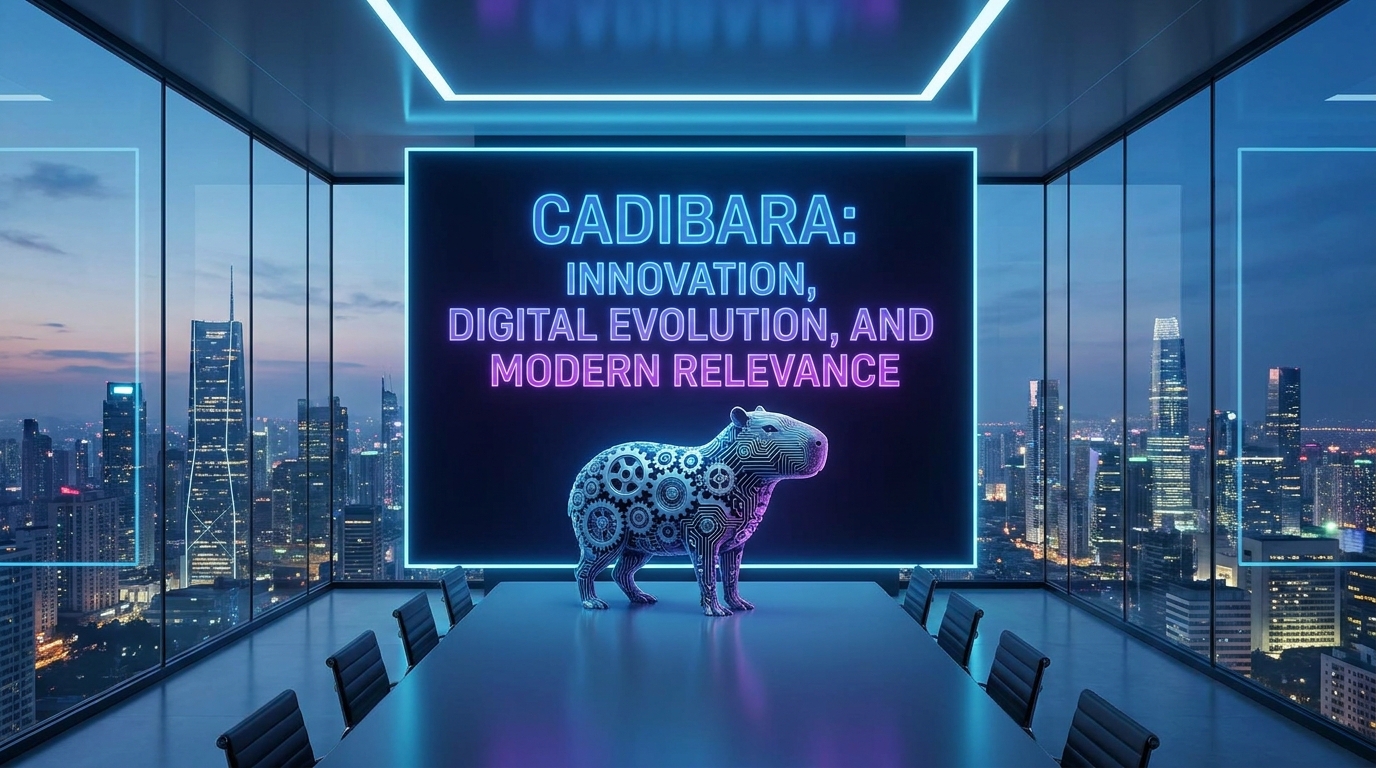
Cadibara is an emerging modern concept associated with innovation, creativity, digital transformation, and adaptable technology-driven systems. In today’s rapidly evolving world, unique concepts and distinctive brand identities often become central to modern communication, technological development, and business growth. Cadibara represents this new generation of adaptable and forward-thinking identities designed to function across multiple industries and digital environments.
The increasing importance of technology in everyday life has created demand for systems and frameworks capable of combining efficiency, scalability, and user-centered functionality. Cadibara reflects this transition toward integrated modern ecosystems where creativity and technology work together to improve experiences, workflows, and communication.
As organizations and individuals continue searching for innovative approaches to digital interaction, concepts like Cadibara gain attention because they symbolize flexibility, originality, and modern problem-solving. Whether interpreted as a digital platform, creative framework, branding concept, or technological ecosystem, Cadibara aligns with contemporary trends focused on innovation and long-term adaptability.
Understanding the Meaning of Cadibara
Cadibara stands out because of its distinctive and memorable structure. Modern naming strategies often prioritize uniqueness, phonetic appeal, and adaptability across global markets. Cadibara reflects these principles by presenting a name that feels contemporary, versatile, and internationally recognizable.
Conceptually, Cadibara can represent innovation, transformation, and integrated functionality. Modern digital ecosystems require systems capable of handling complex tasks while remaining intuitive and user-friendly. Names associated with these environments often symbolize progress, creativity, and intelligent design.
In many cases, modern concepts are intentionally broad so they can evolve alongside changing technologies and industries. Cadibara fits within this approach because it can adapt to multiple interpretations without losing its association with innovation and modern relevance.
The flexibility of the concept contributes to its potential value across different sectors including technology, media, digital branding, creative industries, and business operations.
Cadibara and Digital Transformation
Digital transformation has become one of the defining developments of the modern era. Businesses, educational institutions, healthcare organizations, and creative industries increasingly rely on digital systems to improve communication, efficiency, and scalability. Cadibara reflects this transformation by symbolizing adaptability within technology-driven environments.
Modern organizations no longer view technology as simply a support tool. Instead, digital infrastructure now forms the foundation of operations, communication, customer engagement, and strategic planning. Cadibara represents systems capable of integrating these functions into streamlined and efficient environments.
The evolution of cloud computing, automation, and artificial intelligence has accelerated demand for integrated digital ecosystems. Concepts like Cadibara align with this movement because they represent flexibility and innovation in rapidly changing technological landscapes.
The following overview highlights key areas connected to modern digital transformation.
| Digital Area | Purpose | Impact |
|---|---|---|
| Cloud Systems | Remote accessibility | Improved scalability |
| Artificial Intelligence | Intelligent automation | Faster operations |
| Data Analytics | Information processing | Better decision-making |
| Cybersecurity | Data protection | Increased trust |
| User Experience Design | Simplified interaction | Higher engagement |
These developments continue shaping how organizations and individuals interact with digital systems in everyday life.
The Design Philosophy Behind Cadibara
Modern users expect more from digital systems than simple functionality. Design quality, accessibility, and intuitive interaction have become equally important. Cadibara reflects a design philosophy focused on simplicity, adaptability, and intelligent user experiences.
User-centered design emphasizes reducing complexity while improving accessibility. Modern systems are expected to function efficiently across multiple devices and platforms without compromising usability. Cadibara aligns with these principles by symbolizing environments built around clarity and responsiveness.
Minimalist interfaces have become especially important in digital environments because they reduce distraction and improve navigation. Users increasingly prefer systems that provide seamless interaction rather than overwhelming visual complexity.
The relationship between aesthetics and performance also plays a major role in modern design strategies. Effective systems combine visual appeal with operational efficiency to create stronger user engagement and satisfaction.
Cadibara therefore, represents more than technical capability. It reflects the broader movement toward integrated experiences where functionality and design work together harmoniously.
Technological Infrastructure Associated with Cadibara
Advanced technological infrastructure forms the foundation of modern digital ecosystems. Cadibara can be understood as a concept supported by scalable technologies designed to improve efficiency, connectivity, and long-term adaptability.
Cloud computing remains one of the most important technological developments supporting modern systems. Cloud environments provide flexibility, remote access, and efficient resource management for organizations operating across multiple locations.
Artificial intelligence also contributes significantly to modern digital frameworks. AI systems analyze information, automate repetitive tasks, and support predictive decision-making. These capabilities improve efficiency while enabling organizations to respond more effectively to changing conditions.
The following table outlines technologies commonly associated with advanced digital ecosystems similar to Cadibara.
| Technology | Main Function | Benefit |
|---|---|---|
| Machine Learning | Pattern recognition | Predictive analysis |
| Automation Tools | Workflow management | Reduced manual effort |
| API Connectivity | System integration | Unified operations |
| Blockchain | Secure transactions | Enhanced transparency |
| Big Data Analytics | Information analysis | Strategic insights |
These technologies continue influencing the evolution of digital systems across industries worldwide.
Cadibara in Modern Business Environments
Businesses today operate in highly competitive and rapidly changing environments. Organizations increasingly depend on technology-driven systems capable of improving efficiency, customer engagement, and operational flexibility. Cadibara reflects these modern business priorities.
Integrated digital environments allow businesses to streamline workflows, centralize information, and improve communication between departments. This level of coordination supports better decision-making and long-term strategic planning.
Customer expectations have also evolved significantly. Modern consumers expect personalized experiences, rapid communication, and consistent digital interaction across multiple channels. Businesses that fail to meet these expectations often struggle to maintain engagement and competitiveness.
Cadibara symbolizes the type of adaptable infrastructure capable of supporting these changing demands. It reflects systems designed for scalability, responsiveness, and innovation within modern commercial environments.
Digital transformation also influences how businesses approach marketing, branding, and customer relationships. Data-driven insights allow organizations to understand behavior patterns and develop more targeted engagement strategies.
Creative Industries and Cadibara
Creative industries have experienced major transformation due to digital innovation and global connectivity. Designers, media professionals, and content creators increasingly rely on integrated digital tools for production, collaboration, and distribution. Cadibara fits naturally within this environment because it represents flexibility and creative adaptability.
Modern creative work often involves multidisciplinary collaboration across locations and platforms. Cloud-based systems and digital communication tools enable teams to work together efficiently regardless of physical distance.
Visual storytelling has become particularly important in digital culture. Audiences increasingly engage with immersive and interactive experiences rather than static content. Cadibara reflects the growing importance of dynamic creativity within modern communication strategies.
The rise of digital branding has also influenced how organizations present themselves publicly. Strong visual identity, consistent messaging, and engaging digital experiences contribute significantly to modern brand recognition and customer loyalty.
Cadibara therefore aligns with the broader shift toward creativity integrated with advanced technological capability.
User Experience and Cadibara
User experience remains one of the most important factors influencing digital success. Systems that are difficult to navigate or visually overwhelming often fail to maintain long-term engagement regardless of technical sophistication.
Cadibara reflects modern approaches to user experience focused on simplicity, accessibility, and responsiveness. Users increasingly expect systems that function smoothly across smartphones, tablets, desktops, and connected devices.
Performance optimization also plays a critical role. Fast-loading interfaces, intuitive navigation, and responsive interaction improve satisfaction and strengthen user trust.
Personalization has become another important component of user experience. Modern systems frequently use data analysis and artificial intelligence to tailor interactions based on individual preferences and behavior patterns.
The following overview highlights important user experience principles associated with modern digital systems.
| User Experience Element | Purpose | Result |
|---|---|---|
| Responsive Design | Device compatibility | Better accessibility |
| Intuitive Navigation | Simplified interaction | Improved usability |
| Personalization | Customized experiences | Higher engagement |
| Performance Optimization | Faster functionality | Better retention |
| Accessibility Features | Inclusive interaction | Wider audience reach |
These principles continue shaping how modern systems are developed and evaluated.
Security and Reliability in Cadibara Systems
As digital ecosystems become more interconnected, security and reliability grow increasingly important. Users and organizations expect systems capable of protecting sensitive information while maintaining operational stability.
Cadibara reflects the emphasis on secure infrastructure and responsible data management within modern digital environments. Advanced security frameworks often include encryption, authentication systems, and continuous monitoring to reduce risks associated with cyber threats.
Data privacy regulations have also influenced how organizations manage user information. Businesses must balance personalization with transparency and ethical data practices.
Reliability extends beyond security alone. Modern users expect consistent performance, minimal downtime, and dependable system architecture. Organizations therefore invest heavily in infrastructure designed to support long-term stability and scalability.
Trust has become a defining factor in digital engagement. Systems perceived as secure and reliable are more likely to maintain strong user relationships and long-term credibility.
Future Potential of Cadibara
The future of digital ecosystems will continue evolving through advancements in artificial intelligence, immersive technologies, automation, and decentralized systems. Cadibara represents a conceptual direction aligned with these developments.
Artificial intelligence is expected to become increasingly integrated into daily operations, improving automation and predictive capabilities. Intelligent systems will likely become more adaptive, enabling personalized experiences and real-time optimization.
Virtual reality and augmented reality technologies may also influence future interpretations of Cadibara. Immersive digital environments are already transforming industries such as education, healthcare, entertainment, and retail.
Sustainability will become another major focus. Organizations increasingly prioritize environmentally responsible infrastructure and energy-efficient technologies as part of long-term digital strategies.
Blockchain technology may further contribute to transparency, security, and decentralized ownership within future digital ecosystems.
Cadibara symbolizes the broader movement toward integrated, intelligent, and future-ready environments capable of adapting to continuous technological change.
Global Relevance of Cadibara
Globalization has significantly increased the importance of adaptable and internationally recognizable digital concepts. Cadibara reflects this global relevance through its modern identity and conceptual flexibility.
Organizations increasingly operate across borders and rely on systems capable of supporting international collaboration and communication. Digital infrastructure therefore plays a central role in enabling global operations.
Modern branding strategies also prioritize names and identities capable of resonating across different languages and cultures. Cadibara aligns with this approach because of its distinctive yet versatile structure.
The expansion of remote work and digital collaboration has further strengthened the importance of globally accessible systems. Integrated environments capable of supporting diverse users and locations continue becoming more valuable.
Cadibara therefore represents not only innovation and technology but also the broader evolution of globally connected digital culture.
Conclusion
Cadibara represents a modern concept shaped by innovation, digital transformation, creative adaptability, and intelligent system design. In an era increasingly defined by technological integration and global connectivity, concepts like Cadibara symbolize the future of scalable and user-centered digital ecosystems.
The growing relevance of advanced technologies such as artificial intelligence, cloud computing, automation, and immersive digital experiences continues influencing how organizations and individuals interact with modern systems. Cadibara reflects this transformation by representing flexibility, sophistication, and long-term adaptability.
Whether interpreted as a digital framework, branding concept, technological ecosystem, or creative identity, Cadibara aligns with the evolving demands of modern industries and digital culture. As technological progress continues accelerating, concepts built around innovation, usability, and intelligent integration will remain increasingly important within the global digital landscape.