

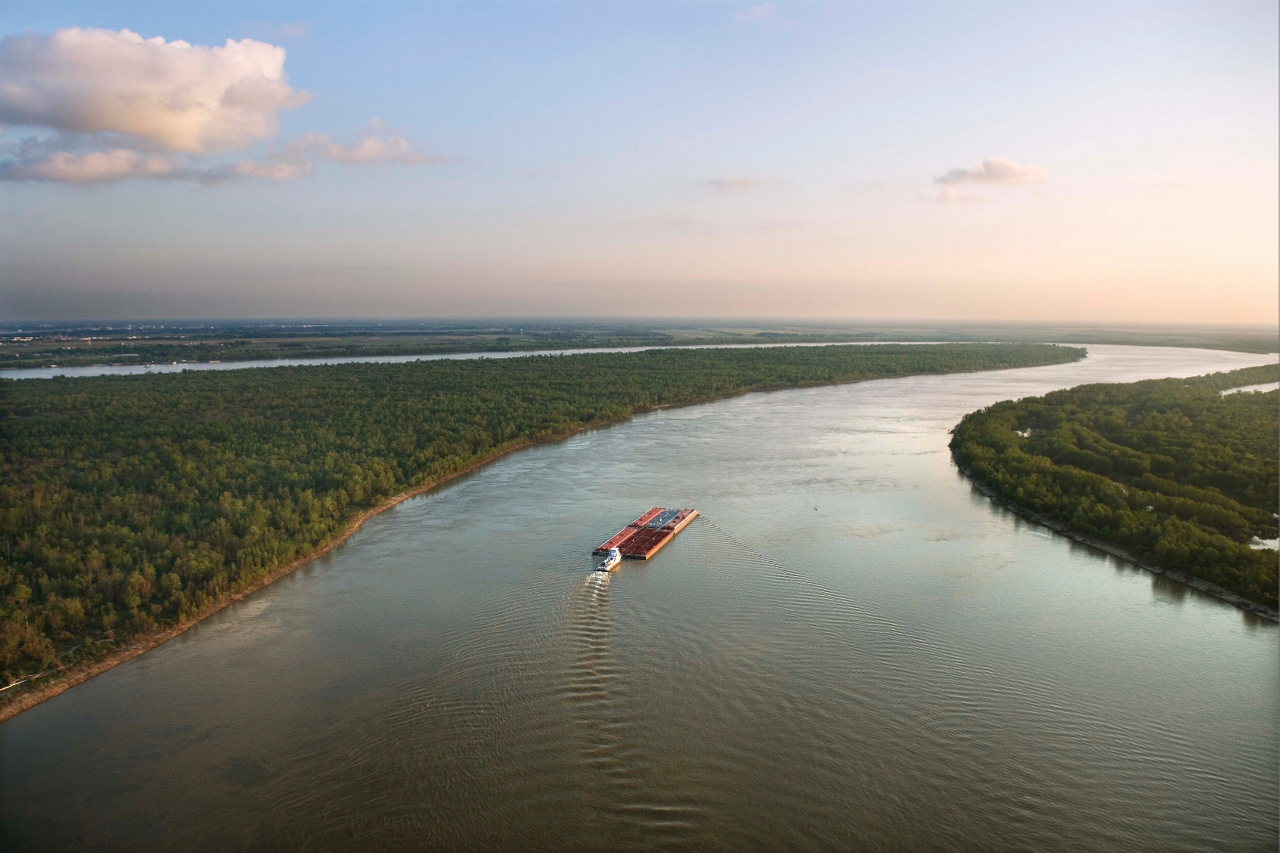
The phrase Mississippi Reka has recently attracted curiosity among internet users searching for information related to geography, language, travel, and cultural topics. While the term may seem unusual at first glance, it combines two concepts that are rich in historical and geographical significance. “Mississippi” is widely recognized as one of the most important rivers and regions in the United States, while “Reka” means “river” in several Slavic languages, including Serbian, Croatian, Slovenian, and others.
When combined, Mississippi Reka can essentially be interpreted as “Mississippi River,” creating an interesting linguistic connection between American geography and international language traditions. This blend of language and geography offers an opportunity to explore one of the world’s most famous waterways and its impact on history, culture, commerce, and the environment.
In this article, we will examine the meaning of Mississippi Reka, the importance of the Mississippi River, its historical role in North America, its cultural influence, and why it continues to fascinate people around the world.
Understanding the Meaning of Mississippi Reka
The word “Mississippi” originates from Indigenous languages and is commonly understood to mean “great river” or “big river.” The term has been used for centuries to describe the massive waterway that runs through the central United States.
The word “Reka” translates directly to “river” in several Eastern European languages. Therefore, the phrase Mississippi Reka essentially means “Mississippi River.”
Although the term may appear redundant from an English-speaking perspective, it reflects how geographical landmarks are often translated or referenced in different languages. Similar naming patterns can be found worldwide, where famous rivers, mountains, and cities are adapted into local linguistic contexts.
This linguistic connection demonstrates how natural landmarks can transcend national boundaries and become subjects of global interest.
The Mississippi River: A Geographic Giant
The Mississippi River is one of the longest and most significant rivers in North America.
Stretching approximately 2,340 miles (3,766 kilometers), it flows from northern Minnesota to the Gulf of Mexico. Along its journey, the river passes through or borders numerous states and serves as a vital natural resource for millions of people.
The river basin covers a vast portion of the United States and collects water from numerous tributaries, including:
- Missouri River
- Ohio River
- Arkansas River
- Red River
- Illinois River
Together, these waterways form one of the largest drainage systems in the world.
The sheer scale of the Mississippi River has earned it a central place in American geography and history.
Historical Importance of the Mississippi River
Long before European settlers arrived, Indigenous peoples relied on the Mississippi River for transportation, trade, fishing, and agriculture.
The river served as a critical route connecting communities across vast distances. Native civilizations established settlements along its banks and developed sophisticated trade networks that stretched throughout North America.
When European explorers arrived, they quickly recognized the strategic importance of the river.
French explorers, including Jacques Marquette and Louis Jolliet, helped map portions of the river during the seventeenth century. Their explorations expanded European understanding of the continent and increased interest in the region.
Over time, control of the Mississippi became a significant factor in colonial competition among European powers.
Economic Impact Through the Centuries
The Mississippi River has long been one of the most important commercial waterways in North America.
During the nineteenth century, steamboats transformed transportation and commerce along the river. These vessels enabled faster movement of goods and people, contributing to economic growth across the United States.
Key industries benefited from river transportation, including:
- Agriculture
- Timber production
- Manufacturing
- Trade
- Shipping
Even today, the Mississippi remains a major transportation corridor.
Millions of tons of cargo travel along the river annually, supporting domestic and international trade. Agricultural products from the American Midwest frequently move through the Mississippi system before reaching global markets.
This economic significance has made the river an essential component of the nation’s infrastructure.
Cultural Influence and Literary Legacy
The Mississippi River occupies a unique place in American culture.
Few natural landmarks have inspired as much literature, music, and artistic expression.
Perhaps the most famous literary connection comes from Mark Twain, whose works captured life along the river during the nineteenth century. Novels such as The Adventures of Tom Sawyer and Adventures of Huckleberry Finn introduced generations of readers to the landscapes, communities, and culture associated with the Mississippi.
The river has also influenced:
- Folk music
- Blues traditions
- American art
- Regional storytelling
- Popular culture
Its cultural legacy extends far beyond geography, becoming a symbol of exploration, freedom, and transformation.
Major Cities Along the Mississippi
Several important cities developed along the Mississippi River due to its strategic location and economic value.
Minneapolis
Located near the river’s source, Minneapolis grew into a major economic and cultural center.
St. Louis
Known as the “Gateway to the West,” St. Louis played a critical role in westward expansion and river commerce.
Memphis
Memphis became famous for its contributions to music, culture, and transportation.
New Orleans
Situated near the river’s mouth, New Orleans remains one of the most culturally vibrant cities in the United States.
These cities demonstrate how the Mississippi shaped regional development and urban growth.
Environmental Importance
The Mississippi River supports diverse ecosystems that provide habitat for countless species of plants and animals.
Its wetlands, forests, and floodplains contribute to ecological health and biodiversity.
Wildlife found within the river system includes:
- Fish species
- Waterfowl
- Reptiles
- Mammals
- Migratory birds
The river also plays a critical role in nutrient distribution and environmental balance across large portions of the continent.
Protecting these ecosystems remains a priority for environmental organizations and government agencies.
Challenges Facing the Mississippi River
Like many major waterways, the Mississippi River faces environmental challenges.
Some of the most significant issues include:
Pollution
Industrial, agricultural, and urban runoff can affect water quality.
Flooding
Seasonal flooding has historically impacted communities along the river.
Habitat Loss
Development and land-use changes can threaten ecosystems.
Climate Change
Changing weather patterns may influence water levels and environmental conditions.
Efforts to address these challenges involve conservation initiatives, infrastructure improvements, and scientific research.
Tourism and Recreation
The Mississippi River attracts millions of visitors each year.
Tourists enjoy activities such as:
- River cruises
- Fishing
- Boating
- Wildlife observation
- Historical tours
- Photography
Many communities along the river have developed attractions that celebrate its heritage and significance.
Visitors can explore museums, cultural festivals, historic sites, and scenic landscapes connected to the river’s history.
This tourism activity contributes significantly to local economies.
Why the Mississippi Fascinates the World
The Mississippi River continues capturing global interest because it represents much more than a body of water.
It symbolizes:
- Exploration
- Commerce
- Cultural exchange
- Natural beauty
- Historical development
For people encountering the term Mississippi Reka, the phrase often serves as a gateway to learning about one of the world’s most influential rivers.
The combination of language and geography highlights how important landmarks become shared points of reference across different cultures and regions.
Mississippi Reka in a Global Context
The use of the word “Reka” alongside Mississippi illustrates the global nature of geographic knowledge.
People from different linguistic backgrounds often adapt famous place names into their own languages while preserving their significance.
This process strengthens cultural understanding and demonstrates how geography connects people worldwide.
Whether discussed in English, Serbian, Croatian, Slovenian, or another language, the Mississippi River remains a symbol of natural power and historical importance.
Conclusion
Mississippi Reka is a fascinating phrase that combines international language traditions with one of North America’s most iconic natural landmarks. By joining the word “Mississippi” with “Reka,” meaning “river,” the term highlights the global recognition of the Mississippi River and its enduring significance.
From its role in Indigenous history and economic development to its influence on literature, culture, and environmental systems, the Mississippi River remains one of the most important waterways in the world. Its impact extends beyond the United States, inspiring interest among people from diverse cultural and linguistic backgrounds.
As discussions about geography, sustainability, and cultural heritage continue evolving, Mississippi Reka serves as a reminder of how natural landmarks can connect people across borders, languages, and generations.