

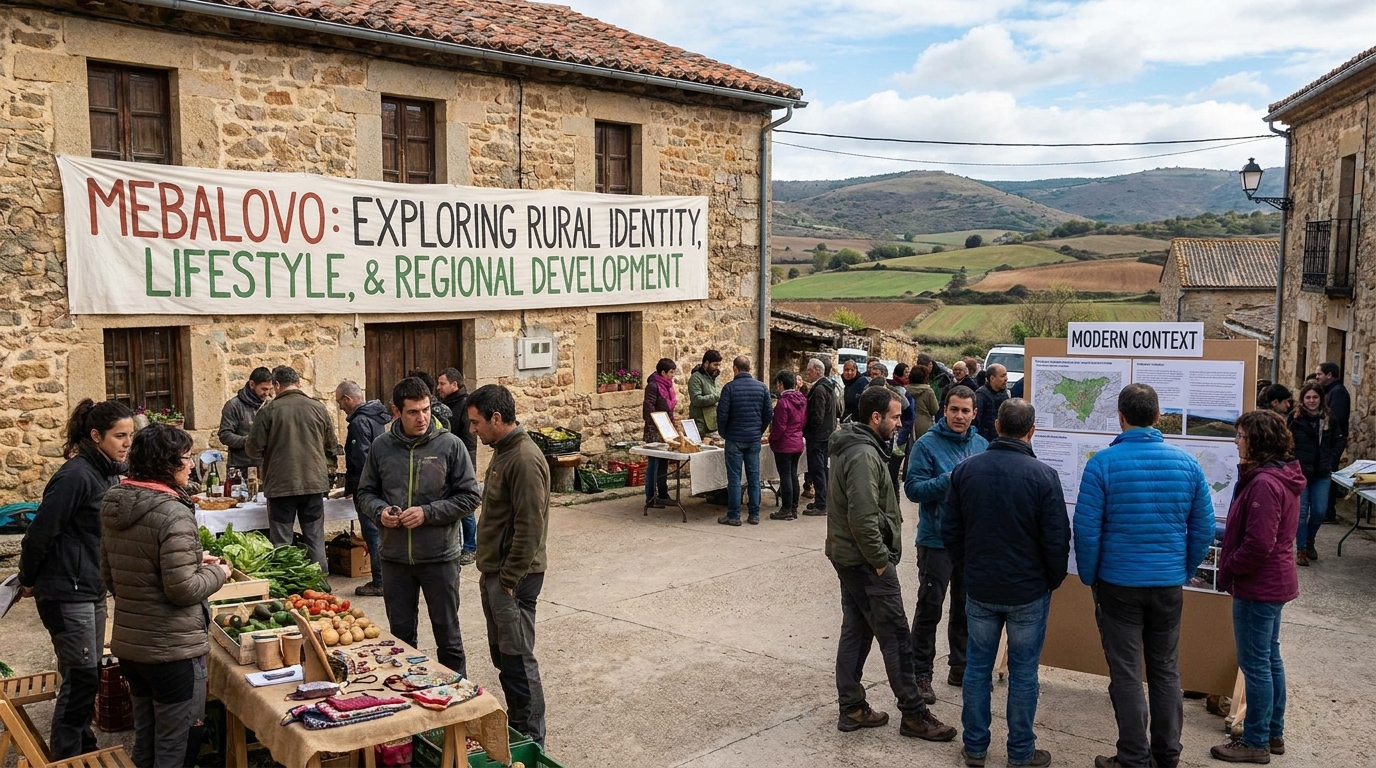
Mebalovo is a name that is often associated with rural geography and local settlements in Eastern Europe, particularly within Russian-speaking regions. While detailed global recognition of Mebalovo may be limited, it reflects a broader category of small villages and countryside communities that play an important role in regional culture, agriculture, and local identity. These types of localities are essential for understanding how rural life continues to shape national heritage, economic structures, and environmental landscapes.
In a modern context, places like Mebalovo represent more than just geographic locations. They symbolize traditional living patterns, community-based lifestyles, and the gradual transformation of rural regions under the influence of modernization, migration, and technological development.
Geographic and Rural Significance
Rural settlements such as Mebalovo are typically characterized by natural landscapes, open land areas, and a close connection to agricultural activity. These regions often develop around farming, forestry, or local trade, depending on the natural resources available in the surrounding environment.
The geographic importance of such locations lies in their contribution to regional balance. While urban centers grow rapidly with industrialization and technology, rural areas maintain ecological stability and preserve natural resources. Mebalovo, as a representative rural locality, can be understood within this broader framework of countryside settlements that support environmental and economic diversity.
Historical Context of Rural Settlements
The history of rural communities in regions like Russia is deeply rooted in agricultural traditions and village-based social structures. Many settlements developed centuries ago as small farming communities where families worked together to cultivate land, raise livestock, and sustain local economies.
Over time, these villages experienced changes due to industrialization, political shifts, and modernization. Some rural areas expanded, while others declined due to urban migration. Despite these changes, places like Mebalovo continue to represent historical continuity and cultural preservation.
Rural history is often passed down through oral traditions, local customs, and architectural remnants that reflect earlier ways of life. These elements help maintain a sense of identity even as external influences reshape the modern environment.
Lifestyle and Community Structure
Life in rural settlements such as Mebalovo is typically centered around community interaction and natural rhythms. Unlike urban environments where life is fast-paced and highly structured, rural life tends to follow seasonal cycles and agricultural schedules.
Community relationships in such areas are often strong, with neighbors relying on one another for support, labor, and social connection. This sense of interdependence creates a close-knit social environment where traditions and cultural practices are maintained across generations.
Daily life may include farming activities, home-based work, and small-scale trade. Even with increasing access to modern technology, many rural communities continue to preserve traditional ways of living that emphasize simplicity, sustainability, and connection to nature.
Economic Activities and Local Development
The economy of rural areas like Mebalovo is generally based on agriculture, small-scale production, and local services. Farming remains a central activity, with crops and livestock contributing to both subsistence and local markets.
In recent years, rural economies have also begun to diversify. Some areas have introduced small businesses, eco-tourism initiatives, and digital work opportunities that allow residents to connect with broader markets. This gradual shift reflects the global trend of rural modernization.
However, economic development in such regions often faces challenges. Limited infrastructure, reduced investment, and population decline can impact long-term growth. Despite these difficulties, rural communities continue to adapt by finding new ways to sustain local livelihoods.
Cultural Identity and Traditions
Cultural identity in rural settlements like Mebalovo is deeply connected to tradition, heritage, and community values. Folk music, traditional crafts, seasonal festivals, and religious practices often play an important role in maintaining cultural continuity.
These traditions are not only forms of entertainment but also expressions of shared history and identity. They help strengthen social bonds and provide a sense of belonging for residents.
In many rural areas, cultural practices are closely tied to the natural environment. Seasonal changes influence agricultural festivals, food traditions, and community gatherings. This relationship between culture and nature is one of the defining features of rural life.
Impact of Modernization on Rural Areas
Modernization has brought significant changes to rural settlements around the world, including places like Mebalovo. Improved transportation, internet access, and communication technologies have reduced isolation and connected rural communities to global systems.
While modernization offers many benefits, it also presents challenges. Younger generations often move to cities in search of education and employment opportunities, leading to population decline in rural areas. This migration can affect local economies and weaken traditional community structures.
At the same time, modernization has also created new opportunities. Digital platforms allow rural residents to access education, participate in remote work, and promote local products to wider audiences. This balance between tradition and innovation continues to shape the future of rural life.
Environmental Importance of Rural Regions
Rural areas like Mebalovo play a critical role in maintaining environmental balance. Large areas of natural land help preserve biodiversity, regulate climate conditions, and support ecosystems that are essential for environmental stability.
Agricultural practices in rural regions also influence soil health, water resources, and land sustainability. When managed responsibly, rural landscapes contribute to ecological preservation and long-term environmental resilience.
In recent years, there has been growing interest in sustainable rural development. This includes organic farming, eco-friendly land management, and conservation efforts aimed at protecting natural resources while supporting local communities.
Infrastructure and Living Conditions
Infrastructure in rural settlements varies depending on regional development policies and economic conditions. Basic services such as roads, electricity, water supply, and healthcare access are essential for improving quality of life in areas like Mebalovo.
In some rural regions, infrastructure development has improved significantly, making transportation and communication more efficient. However, other areas still face challenges related to accessibility and modernization.
Living conditions in rural areas are often influenced by both natural surroundings and available public services. While rural life may lack some conveniences of urban environments, it often provides cleaner air, quieter surroundings, and a closer connection to nature.
Education and Social Development
Education plays an important role in shaping the future of rural communities. Schools in areas like Mebalovo serve as key institutions for social development, providing children with access to learning and opportunities for advancement.
However, rural education systems may face challenges such as limited resources, teacher shortages, and reduced access to advanced facilities. Efforts to improve digital education and remote learning have helped address some of these issues in recent years.
Social development in rural regions also depends on community engagement and access to information. Programs that support youth development, skill training, and cultural preservation contribute to long-term stability.
Tourism Potential and Rural Attraction
Rural settlements like Mebalovo often have untapped tourism potential due to their natural beauty, cultural heritage, and peaceful environments. Eco-tourism and cultural tourism are becoming increasingly popular among travelers seeking authentic experiences away from crowded urban centers.
Visitors are often attracted to rural landscapes, traditional lifestyles, and opportunities to experience local customs. Sustainable tourism development can provide economic benefits while preserving cultural and environmental integrity.
However, tourism development must be carefully managed to avoid disrupting local communities or damaging natural ecosystems. Balanced approaches ensure that rural areas benefit without losing their identity.
Challenges Facing Rural Communities
Despite their importance, rural settlements face several ongoing challenges. Population decline, limited economic opportunities, and infrastructure gaps are among the most common issues affecting areas like Mebalovo.
Climate change also impacts rural regions through shifting weather patterns, agricultural difficulties, and environmental stress. These challenges require adaptive strategies and long-term planning.
Governments and local organizations often work to support rural development through investment programs, infrastructure improvements, and social services. These efforts aim to strengthen rural resilience and sustainability.
Future Outlook for Rural Settlements
The future of rural areas like Mebalovo depends on the balance between tradition and modernization. As technology continues to advance, rural communities have more opportunities to integrate digital tools, improve economic conditions, and connect with global networks.
Sustainable development will likely play a key role in shaping rural futures. Emphasizing environmental protection, cultural preservation, and economic diversification can help ensure long-term stability.
Rural settlements will continue to serve as important cultural and ecological foundations within broader national systems. Their ability to adapt while preserving identity will determine their future relevance and success.
Conclusion
Mebalovo represents the broader reality of rural settlements that continue to shape cultural identity, environmental balance, and regional development. While often small and less visible on the global stage, such communities hold deep historical and social significance.
From agriculture and tradition to modernization and sustainability, rural life reflects a complex interaction between past and present. As the world continues to evolve, places like Mebalovo remind us of the importance of community, nature, and cultural continuity.
The future of rural settlements will depend on their ability to adapt to change while preserving the values and traditions that define them.