

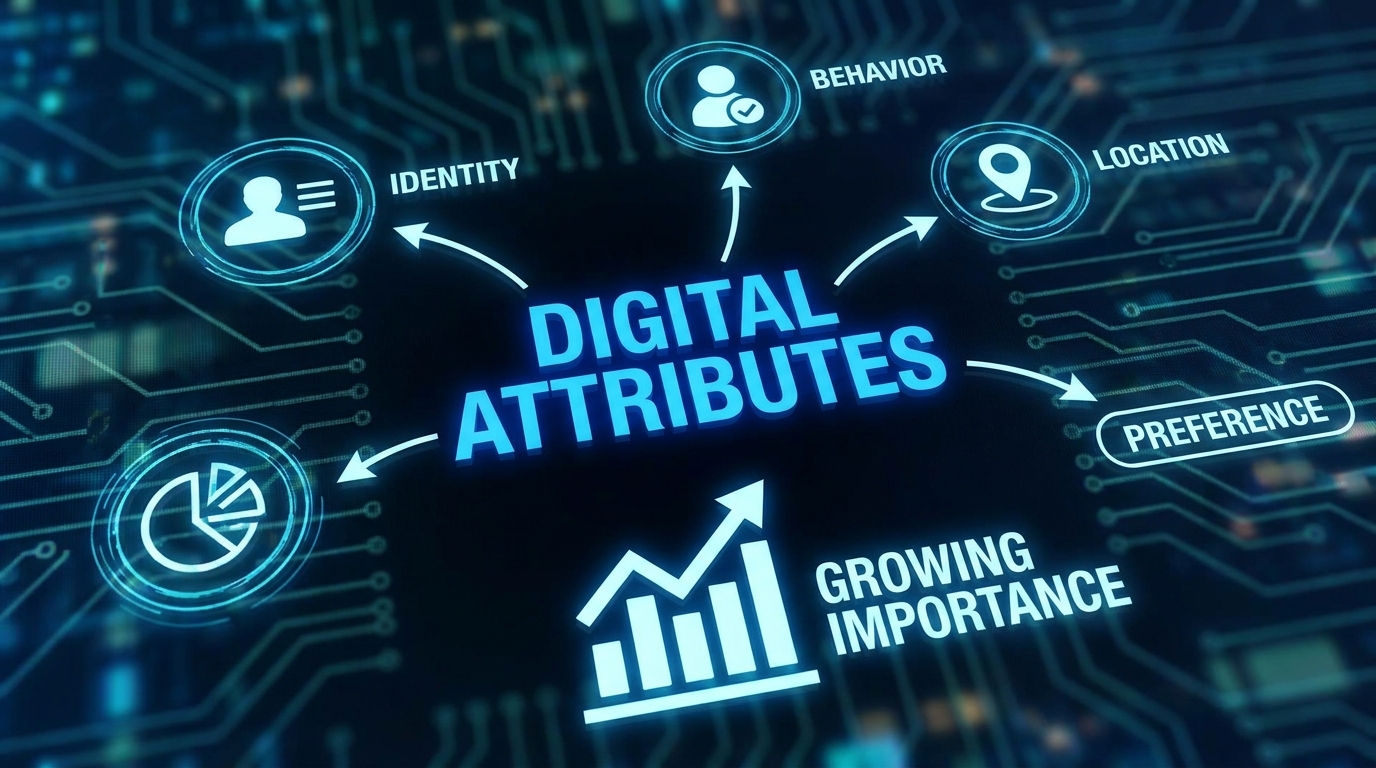
The digital world continues to evolve at a remarkable pace, introducing new concepts, systems, and technologies that shape how businesses and individuals interact online. Among the emerging terms gaining attention in various discussions is Attrities, a concept increasingly associated with innovation, digital transformation, organizational efficiency, and modern technological development. As industries continue adapting to changing consumer expectations and rapidly advancing technology, concepts like Attrities reflect the broader movement toward smarter systems, improved workflows, and enhanced digital experiences.
Modern businesses and organizations operate in highly competitive environments where efficiency, adaptability, and innovation are essential for success. Digital transformation has become a central priority for companies seeking to remain relevant in rapidly changing markets. Attrities represents this modern focus on optimization, intelligent systems, and the integration of technology into everyday operations.
Technology now influences nearly every industry, including healthcare, education, finance, retail, entertainment, manufacturing, and communication. Businesses increasingly depend on digital tools to improve productivity, streamline processes, and strengthen customer relationships. The growing relevance of Attrities demonstrates how organizations continue searching for solutions capable of supporting long-term growth and operational excellence.
As digital ecosystems become more complex, the demand for adaptable and scalable solutions continues increasing. Concepts connected to Attrities align with modern trends emphasizing automation, efficiency, user experience, and sustainable innovation. These priorities are reshaping how businesses function and how consumers engage with digital services.
The Evolution of Digital Transformation
Digital transformation has become one of the defining trends of the modern business world. In earlier decades, organizations relied heavily on manual systems, paper-based processes, and limited technological infrastructure to manage operations. While these methods were functional at the time, they often lacked efficiency, scalability, and flexibility.
The rise of computers, internet connectivity, and cloud technology transformed business operations significantly. Companies began adopting digital systems for communication, record management, customer engagement, and workflow automation. Attrities reflects the continuing evolution of this transformation by emphasizing modern approaches to efficiency and innovation.
Today’s organizations operate in environments driven by data, connectivity, and rapid communication. Businesses are expected to respond quickly to market changes, customer demands, and technological advancements. Digital transformation therefore involves more than simply using computers or software. It requires organizations to rethink strategies, improve processes, and adopt technologies that support agility and long-term sustainability.
Cloud computing has played a major role in this evolution by allowing businesses to store, access, and manage information remotely. This flexibility supports remote work, global collaboration, and scalable digital infrastructure. Modern organizations increasingly rely on cloud-based systems to improve operational efficiency and reduce costs.
Mobile technology has also accelerated digital transformation. Employees and consumers now expect instant access to information and services through smartphones and portable devices. Organizations connected to concepts like Attrities often prioritize accessibility and user-friendly digital experiences to meet these expectations.
Why Efficiency Matters in Modern Organizations
Efficiency has become one of the most important goals for businesses and institutions operating in competitive digital environments. Organizations constantly seek ways to reduce unnecessary complexity, improve productivity, and optimize resource management.
Attrities reflects the growing importance of systems and strategies designed to support operational efficiency. Efficient organizations are often better equipped to respond to customer needs, adapt to market changes, and maintain long-term profitability.
Automation has become a key driver of efficiency improvements across industries. Repetitive tasks that once required extensive manual labor can now be completed through software systems, artificial intelligence, and digital workflows. This allows employees to focus on more strategic and creative responsibilities.
Efficient systems also improve customer satisfaction. Faster response times, smoother processes, and reliable digital services create more positive user experiences that strengthen trust and loyalty.
Data management is another important aspect of organizational efficiency. Businesses generate enormous amounts of information daily, and effective systems are necessary to organize, analyze, and utilize this data effectively. Modern digital solutions connected to Attrities often prioritize intelligent data handling and streamlined workflows.
Remote and hybrid work models have further increased the importance of operational efficiency. Digital collaboration tools, communication platforms, and cloud-based systems allow organizations to maintain productivity across distributed teams and locations.
The Role of Innovation in Business Growth
Innovation is essential for organizations seeking to remain competitive in rapidly evolving industries. Businesses that fail to innovate often struggle to adapt to changing technologies, customer expectations, and market conditions.
Attrities reflects the broader emphasis on innovation as a driving force behind digital progress and organizational success. Innovation can involve new technologies, improved workflows, creative business models, or enhanced customer experiences.
Artificial intelligence is one of the most influential innovations shaping modern industries. AI-powered systems help organizations automate tasks, analyze large datasets, personalize customer interactions, and improve decision-making processes.
Machine learning technologies allow systems to improve performance over time by identifying patterns and learning from data. These capabilities support predictive analytics, intelligent automation, and advanced personalization strategies.
Innovation also extends to communication and collaboration. Digital platforms now support instant global communication, virtual meetings, project management, and remote teamwork in ways that were previously impossible.
Consumer expectations continue evolving alongside technological advancements. Modern users expect convenience, personalization, speed, and accessibility from digital services. Organizations associated with concepts like Attrities often prioritize continuous improvement to meet these expectations effectively.
The ability to innovate consistently has become a major competitive advantage in industries ranging from healthcare and education to finance and entertainment.
Technology and the Changing Workplace
Technology has fundamentally transformed workplace environments and professional culture. Traditional office structures based on fixed schedules and physical locations are increasingly replaced by flexible digital work models supported by modern technology.
Attrities reflects the growing integration of digital systems into workplace operations and employee experiences. Cloud computing, communication platforms, automation software, and collaborative tools have made remote and hybrid work more practical and efficient.
Digital communication tools allow employees to collaborate instantly across different locations and time zones. Video conferencing, messaging applications, and project management systems support teamwork while reducing dependence on physical offices.
Automation technologies also influence workplace dynamics by reducing repetitive administrative tasks. Employees can focus more on strategic thinking, creativity, and customer engagement while software systems handle routine processes.
Workplace flexibility has become especially important for employee satisfaction and productivity. Many professionals now value remote work options and digital collaboration capabilities as essential aspects of modern employment.
Technology additionally supports employee learning and professional development through online training platforms, digital courses, and virtual learning environments.
As workplaces continue evolving, organizations connected to concepts like Attrities are likely to prioritize adaptability, digital integration, and employee-centered technology solutions.
Data and Decision-Making in the Digital Era
Data has become one of the most valuable resources in modern business operations. Organizations collect and analyze vast amounts of information to understand customer behavior, optimize performance, and improve strategic planning.
Attrities aligns with the growing importance of data-driven decision-making in digital environments. Accurate data analysis allows businesses to identify trends, predict outcomes, and make informed operational decisions.
Big data technologies enable organizations to process large and complex datasets quickly. This capability supports more effective marketing strategies, customer personalization, risk management, and business forecasting.
Analytics tools also help organizations measure performance and identify inefficiencies within workflows and systems. Continuous monitoring allows businesses to improve processes and respond proactively to challenges.
Customer data plays an especially important role in digital business strategies. Personalized recommendations, targeted marketing campaigns, and customized user experiences all depend on accurate data analysis.
However, growing dependence on data also increases the importance of privacy and cybersecurity. Organizations must protect sensitive information while maintaining transparent and ethical data practices.
Regulations regarding data protection continue evolving globally, encouraging businesses to prioritize responsible information management and cybersecurity standards.
The Importance of User Experience
User experience has become a major factor influencing the success of digital platforms and services. Modern users expect systems that are intuitive, responsive, visually appealing, and easy to navigate.
Attrities reflects the increasing focus on creating digital experiences that prioritize usability and customer satisfaction. Poorly designed systems can frustrate users and reduce engagement, while well-designed platforms encourage loyalty and positive interactions.
Responsive design is particularly important because users access digital services through various devices, including smartphones, tablets, laptops, and desktop computers. Platforms must function smoothly across different screen sizes and operating systems.
Speed and reliability also significantly impact user satisfaction. Slow-loading websites or unstable systems can negatively affect customer trust and business performance.
Accessibility is another essential aspect of modern user experience design. Inclusive digital systems support users with different abilities and technical needs, making technology more widely accessible.
Personalization further enhances user engagement by tailoring content and recommendations according to individual preferences and behavior patterns.
Organizations increasingly recognize that strong user experience design contributes directly to customer retention, brand reputation, and long-term business growth.
Automation and Artificial Intelligence
Automation and artificial intelligence are transforming industries by improving efficiency, reducing operational costs, and supporting smarter decision-making processes.
Attrities reflects the growing role of intelligent technologies within modern organizations and digital ecosystems. AI systems can automate repetitive tasks, process information rapidly, and provide predictive insights that improve operational performance.
Chatbots and virtual assistants have become common examples of AI-powered automation. These systems support customer service operations by handling inquiries quickly and efficiently.
Machine learning algorithms also improve personalization by analyzing user behavior and recommending relevant products, services, or content.
Automation technologies support industries such as manufacturing, healthcare, logistics, finance, and retail by increasing accuracy and reducing manual workloads.
Artificial intelligence additionally contributes to cybersecurity by identifying threats, detecting unusual activity, and responding to security risks more effectively.
As AI technology continues advancing, organizations connected to concepts like Attrities are likely to explore new opportunities for intelligent automation and digital optimization.
Sustainability and Responsible Innovation
Sustainability has become an increasingly important consideration within modern technology and business development. Consumers, governments, and organizations are more aware of environmental impact and responsible resource management than ever before.
Attrities reflects the broader trend toward sustainable innovation and ethical technological development. Businesses increasingly seek solutions that improve efficiency while minimizing environmental impact.
Cloud computing and digital workflows can reduce paper consumption, travel requirements, and physical infrastructure needs, supporting more sustainable operations.
Energy-efficient technologies and environmentally responsible manufacturing practices are also becoming more common across industries.
Consumers increasingly prefer companies that demonstrate commitment to sustainability, transparency, and ethical business practices. This has encouraged organizations to integrate environmental responsibility into long-term strategies.
Responsible innovation additionally involves addressing issues related to data privacy, cybersecurity, and digital well-being. Ethical technology development has become an important topic as digital systems influence more aspects of daily life.
Sustainability and responsible innovation are likely to remain central priorities as industries continue evolving in response to environmental and social challenges.
The Future of Attrities and Digital Innovation
The future of concepts like Attrities will likely involve deeper integration of artificial intelligence, automation, cloud systems, and intelligent digital infrastructure. Technology will continue shaping how businesses operate, communicate, and engage with customers.
Organizations are expected to rely increasingly on predictive analytics, machine learning, and real-time data systems to improve efficiency and competitiveness.
Remote work technologies and digital collaboration tools will likely continue evolving, supporting more flexible and globally connected workplaces.
Cybersecurity and privacy protection will remain critical priorities as digital ecosystems become more advanced and interconnected.
The growth of smart technologies, Internet of Things devices, and automated systems may further transform industries and consumer experiences.
Sustainability-focused innovation is also expected to influence future technological development significantly. Businesses and consumers alike increasingly prioritize environmentally responsible solutions.
As digital transformation continues accelerating, concepts associated with Attrities are likely to remain relevant within discussions about modern business strategy, technology integration, and organizational innovation.
Why Attrities Reflects Modern Digital Trends
Attrities represents many of the key trends shaping today’s digital and business environments, including efficiency, innovation, automation, user experience, and technological adaptability. Modern organizations increasingly depend on digital systems capable of supporting productivity, flexibility, and long-term growth.
The rapid pace of technological advancement continues changing how businesses operate and how consumers interact with digital services. Companies that embrace innovation and prioritize efficient digital strategies are often better positioned to succeed in competitive markets.
Technology will remain central to future economic and organizational development. Artificial intelligence, automation, cloud infrastructure, and data analytics are expected to continue influencing industries worldwide.
Attrities reflects the broader movement toward smarter, more connected, and more efficient digital ecosystems designed to meet the evolving needs of businesses and modern consumers. As digital transformation progresses further, concepts aligned with innovation and optimization are likely to play increasingly important roles in shaping the future of technology and organizational success.